
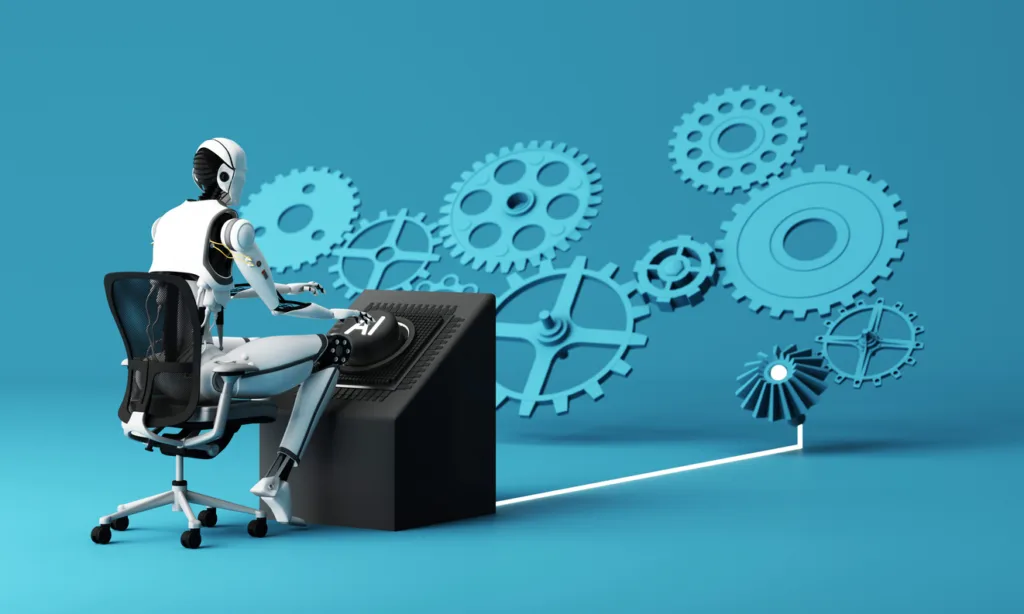
In today’s ever-changing digital world, e-commerce companies are always looking for new ways to improve customer experience and streamline their operations. Two of the key components driving massive growth and change in the world of e-commerce are Artificial Intelligence (AI) and Product Information Management (PIM) systems. Through the integration of these elements, businesses can create an effective ecosystem that not only meets but also exceeds the expectations of their customers, but also allows them to tailor their services without limit.
Synergies between AI as well as PIM in E-commerce
Understanding the synergies that exist between AI in conjunction with PIM is the key to unlocking all their potential for e-commerce.
- Artificial Intelligence: Creating Innovative Customer Interactions. AI can analyse huge amounts of data in order to create customized products, content, along customer-facing interactions. This technology allows businesses to anticipate customer preferences and behaviors and provide a more personalized shopping experience. In reality, 60 percent of CX executives anticipate AI to have a ‘transformative or significant’ impact on customer experience, which highlights the potential of AI to transform customer interaction.
- PIM Systems: Ensure accurate and consistent product information.PIM systems serve as the foundation for managing information about products across multiple channels. It centralizes and harmonises information about products, making sure that customers get consistent, accurate, and up-to-date information irrespective of the channel they use to access the product. Data Management: It’s the Process Behind the Power: Effective processes for managing data ensure that the information collected is stored, processed, and analysed is of high quality. This includes data management, data cleansing, and data integration techniques to ensure the integrity and reliability of the data within the company.
When they are combined, these components make a seamless flow of information and data that is the basis of eCommerce’s success, allowing companies to tailor their customer experience without limitations.
Benefits of Customer Experience and Operational Efficiency
The integration of AI, as well as a PIM system, can provide many advantages for customer service and operational efficiency.
- Improved personalized service: AI utilizes insights from customers’ data to deliver highly customized recommendations and content. This approach to personalization not only enhances satisfaction with the customer but also improves the conversion rate.
- Consistent Product Information: PIM systems make sure that information on products is exact and consistent across all touch points with customers. This builds trust and decreases the chance of customer dissatisfaction and returns.
- Information-Driven Decision Making: Stable processes for managing data provide the base for data-driven decision-making. Through ensuring accuracy of data and integrity, businesses are able to make informed choices that will enhance the effectiveness of their marketing strategies as well as operational processes.
- Operational Efficiency: Integration of these technologies improves workflows and eliminates manual tasks. Automated processes powered by AI and properly managed data can enable rapid responses to market shifts and the demands of customers. It’s not surprising that 81 percent of executives in contact centers invest in agent-enabled AI to boost the efficiency of their services and improve customer satisfaction.
Steps to Seamless Integration
To fully reap the advantages of AI or PIM systems, companies must adopt a logical method of integration.
- Assess and align objectives: Start by reviewing your current processes and systems. Make sure that you align the objectives of integrating these technology systems with your business’s overall objectives and ensure they align with the long-term plan.
- Choose the best PIM system: Choose a PIM solution that is suited to your needs as a business. Think about factors such as scaling, integration with other systems, and the capacity to manage the complex data of your product.
- Implement Robust Data Management Practices: Establish strong data management practices to maintain data quality. Implement the frameworks of data governance and data cleansing routines and tools for integration to ensure that your data remains reliable and valuable.
- Integrate AI: Add AI within your online store to increase customer service and personalization. Utilize AI to analyse customer data and provide insights to inform the marketing strategy and product recommendations. Automation by AI is also an opportunity to analyze how to improve, enhance, and change the existing PIM methods across departments. This process clarifies ownership of data and identifies areas where AI can assist and who’s accountable for approval of data. Since global spending on AI is projected to reach $301 billion by 2026, it’s obvious it’s important tomakinge investments in AI is a wise decision to ensure the future of eCommerce operations.
- Continuously monitoring and improving: Continuously check the performance of the integrated systems. Analytics can be used to track important indicators and pinpoint areas of improvement. Make sure to regularly update and improve your processes to be able to adjust to changes in market conditions and the preferences of your customers.
The future of E-Commerce, the future of AI, as well as PIM Integration.
The combination of AI as well as PIM systems could change this e-commerce landscape. Utilizing the synergies of these technologies, businesses will be able to deliver exceptional customer experiences and increase efficiency and operational effectiveness. As the market for digital goods continues to change and evolve, keeping pace with these cutting-edge solutions is essential for long-term success and growth that allows businesses to customize with no limitations.
Case Studies
Find real-world examples of companies that are successfully implementing PIM as well as DAM solutions to attain digital excellence and propel the expansion of their businesses, while demonstrating the tangible results and ROI of these systems practices.